


The Price Showdown: Cheshire Fencing vs. The “Big Guys”
April 27, 2026If you’ve spent any time walking the aisles of a big-box DIY store lately, you’ve likely seen stacks of orange-tinted fence panels with enticingly low price tags. At first glance, a fence panel is just a fence panel, right?
Wrong.
In the world of fencing, the “bargain” you buy today can often become the headache you replace in three years. If you live in Cheshire, where the wind and rain are no joke, understanding the difference between Dip Treated and Pressure Treated (Tanalised) timber is the difference between a 5-year fence and a 15-year fence.
Here is the breakdown of what you are actually getting for your money.
What is Dip Treated Timber? (The “Fake Tan” of Fencing)
Most budget panels found in national retailers are “Dip Treated.” As the name suggests, the finished panel is briefly submerged in a vat of preservative.
- The Problem: The treatment only coats the surface. It doesn’t soak into the core of the wood.
- The Maintenance: To keep the warranty valid, you usually have to re-paint or re-stain these panels every single year.
- The Result: As soon as the wood naturally cracks or gets a small scratch, water gets into the untreated centre. The panel begins to rot from the inside out, often failing within 5–7 years.
What is Pressure Treated (Tanalised) Timber?
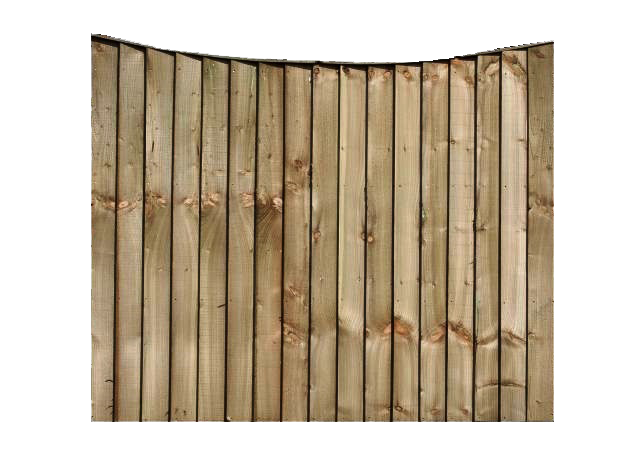
At Cheshire Fencing Supplies, we do things differently. We use a vacuum pressure process to force high-quality preservative (Tanalith E) deep into the cellular structure of our homegrown spruce.
- The Protection: The preservative becomes part of the wood itself, providing a deep-seated barrier against rot, fungal decay, and wood-boring insects.
- The Maintenance: None. You don’t need to paint it or treat it. It will naturally weather to a honey-brown and eventually a silver-grey, all while remaining structurally sound.
- The Result: A life expectancy of 10–15 years—even in the dampest Cheshire winters.